
Film, Memory, and Urban Space: A Cultural Visit to Yau Ma Tei Police Station
An in-depth cultural travel feature exploring how Hong Kong’s iconic Yau Ma Tei Police Station has been transformed into a cinematic journey through film history, architecture, and urban memory.
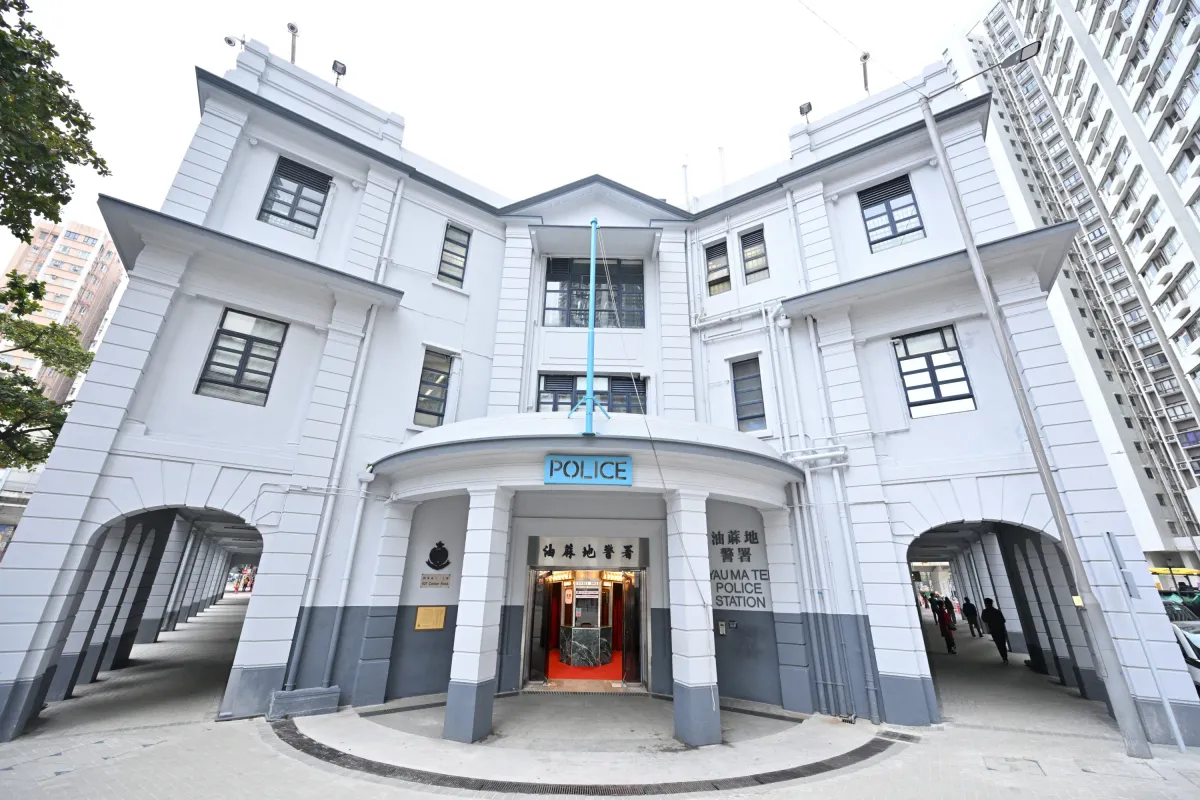
For international audiences, Hong Kong cinema has long served as a gateway to understanding the city — its density, tensions, moral ambiguities, and rhythms of everyday life. Few architectural spaces embody this cinematic imagination more vividly than the police station. Among them, Yau Ma Tei Police Station occupies a unique position: recognisable, repeatedly filmed, yet largely inaccessible in real life.
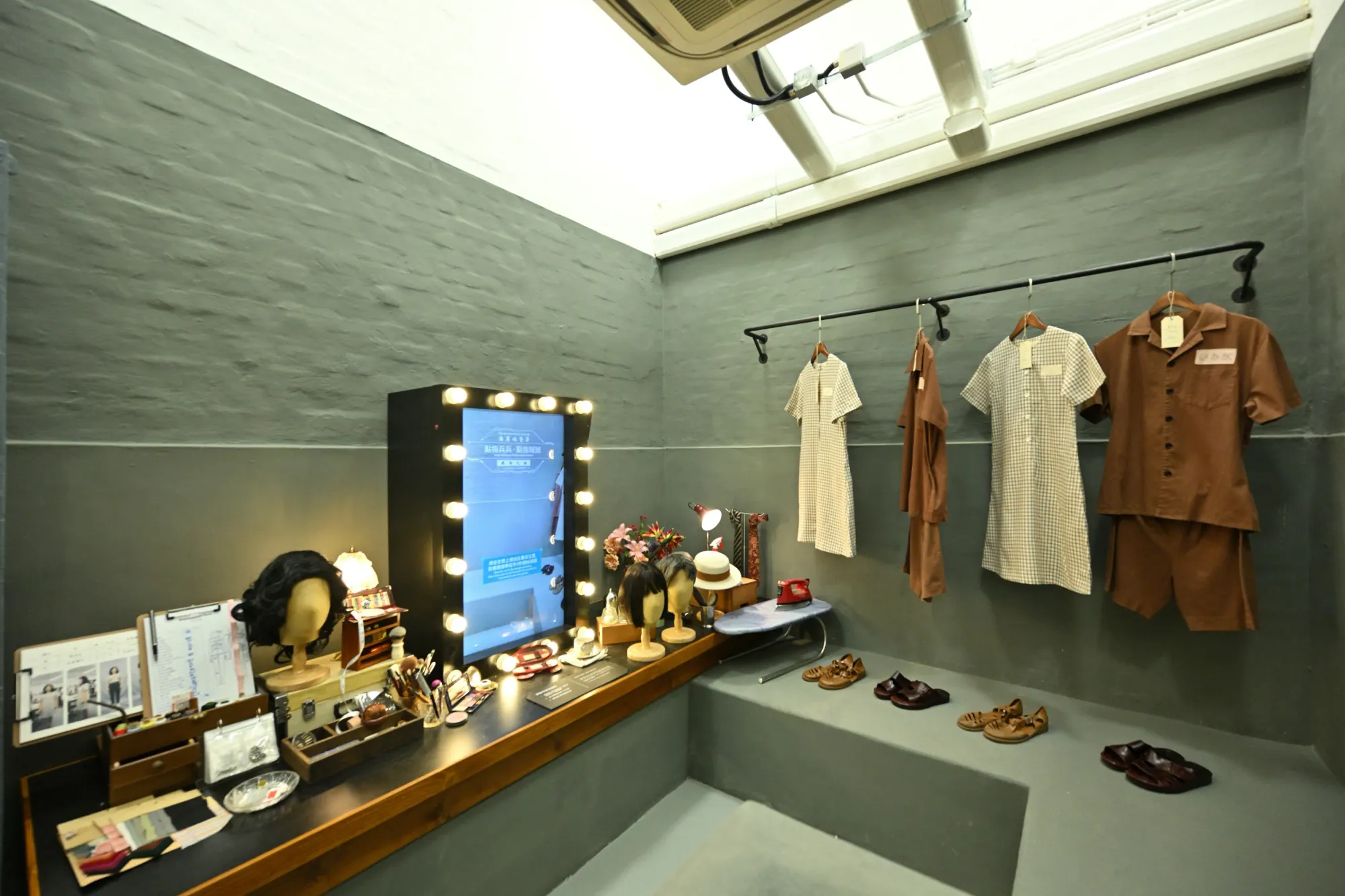
The Yau Ma Tei Police Station Cinematic Journey marks a significant shift in how Hong Kong approaches film-led cultural tourism. Rather than presenting cinema as archival material or spectacle, the project treats space itself as narrative — allowing visitors to walk through environments shaped as much by memory and imagination as by historical fact.
Situated in one of Kowloon’s oldest districts, the station is a Grade II historic building constructed in the early twentieth century. Its Edwardian architecture and urban positioning made it a natural choice for filmmakers seeking authenticity. Over decades, it became a visual shorthand for authority, conflict, and order within Hong Kong cinema.
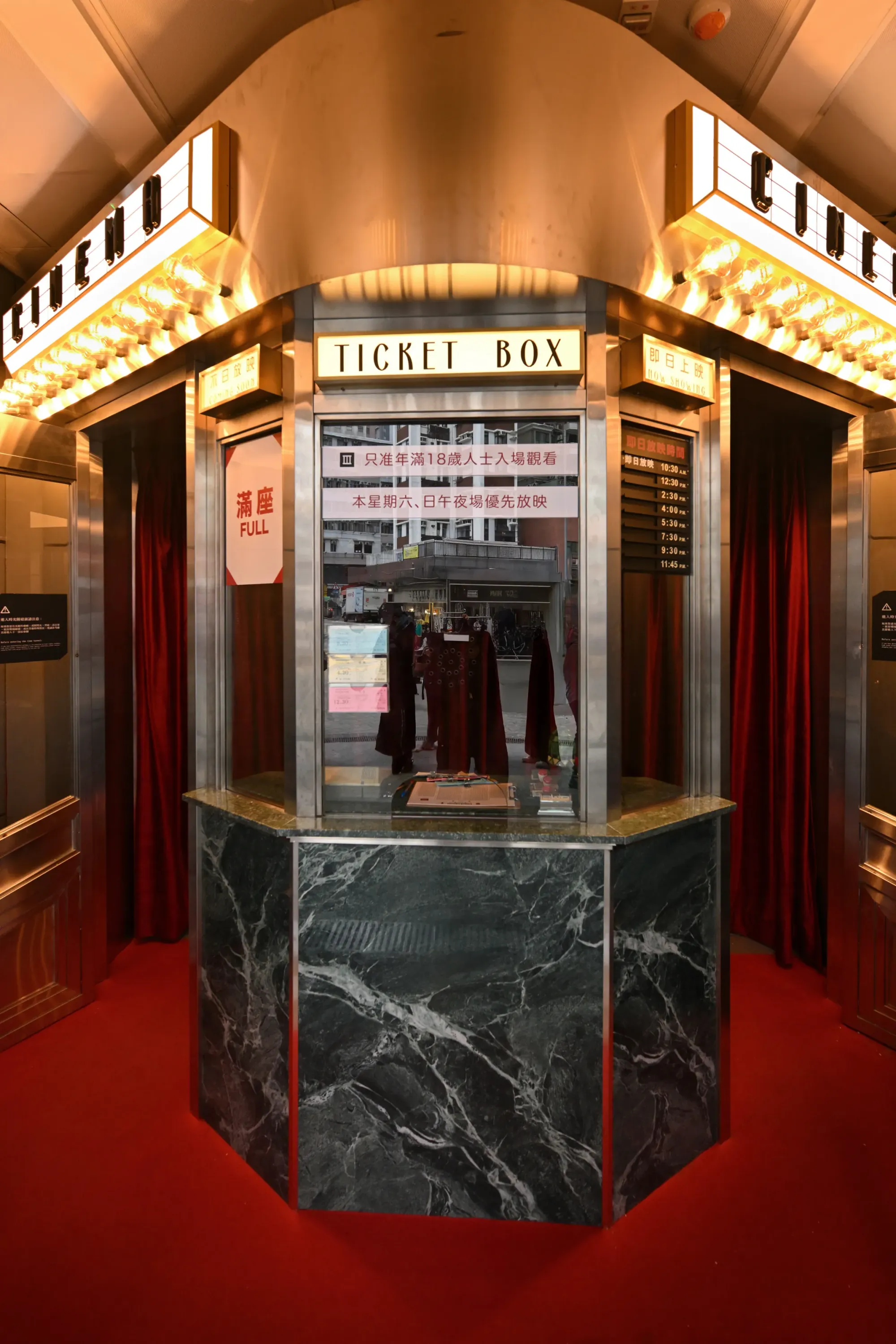
What distinguishes this exhibition is its refusal to frame the building merely as heritage. Instead, it positions the station as a living interface between film culture and the city. Visitors enter through a retro cinema façade, a deliberate gesture that reframes them not as tourists, but as viewers stepping into a filmic narrative.
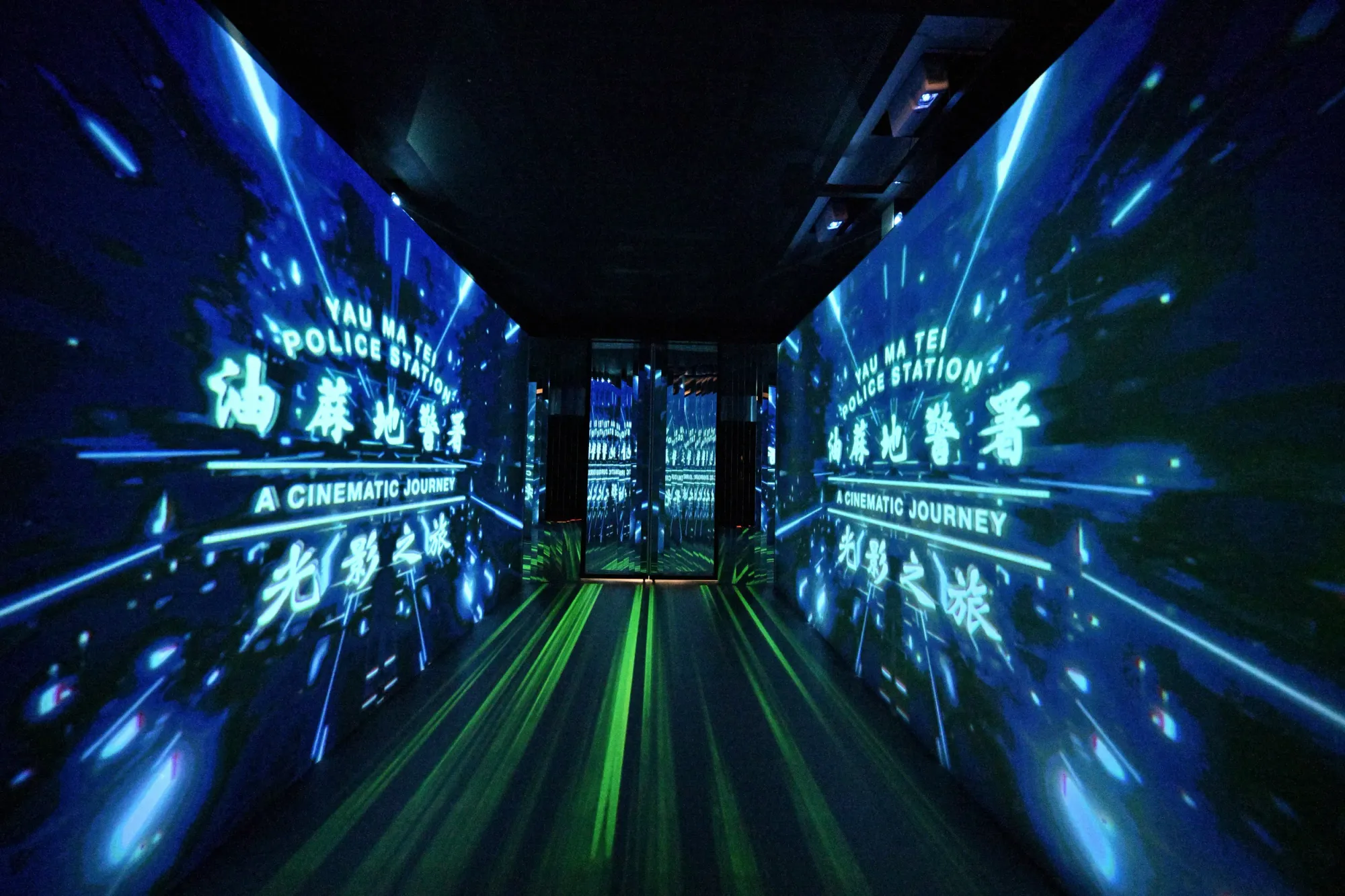
From there, the experience unfolds as a sequence rather than a collection. A multimedia “time tunnel” compresses decades of crime cinema into rhythm and sensation, prioritising mood over chronology. For audiences unfamiliar with specific titles, the emphasis on pace, sound, and visual language offers an intuitive understanding of why crime films became so central to Hong Kong’s cultural export.
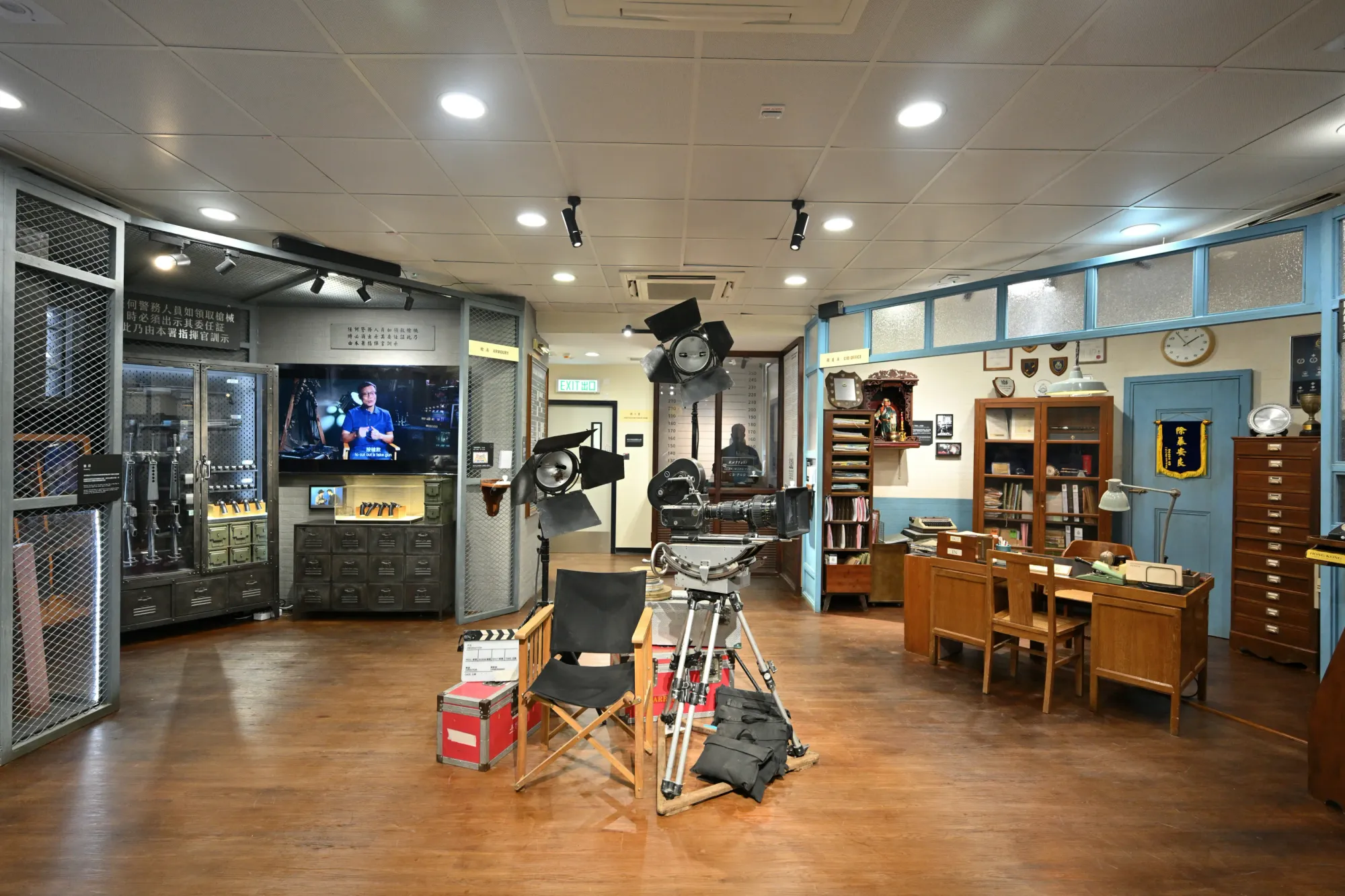
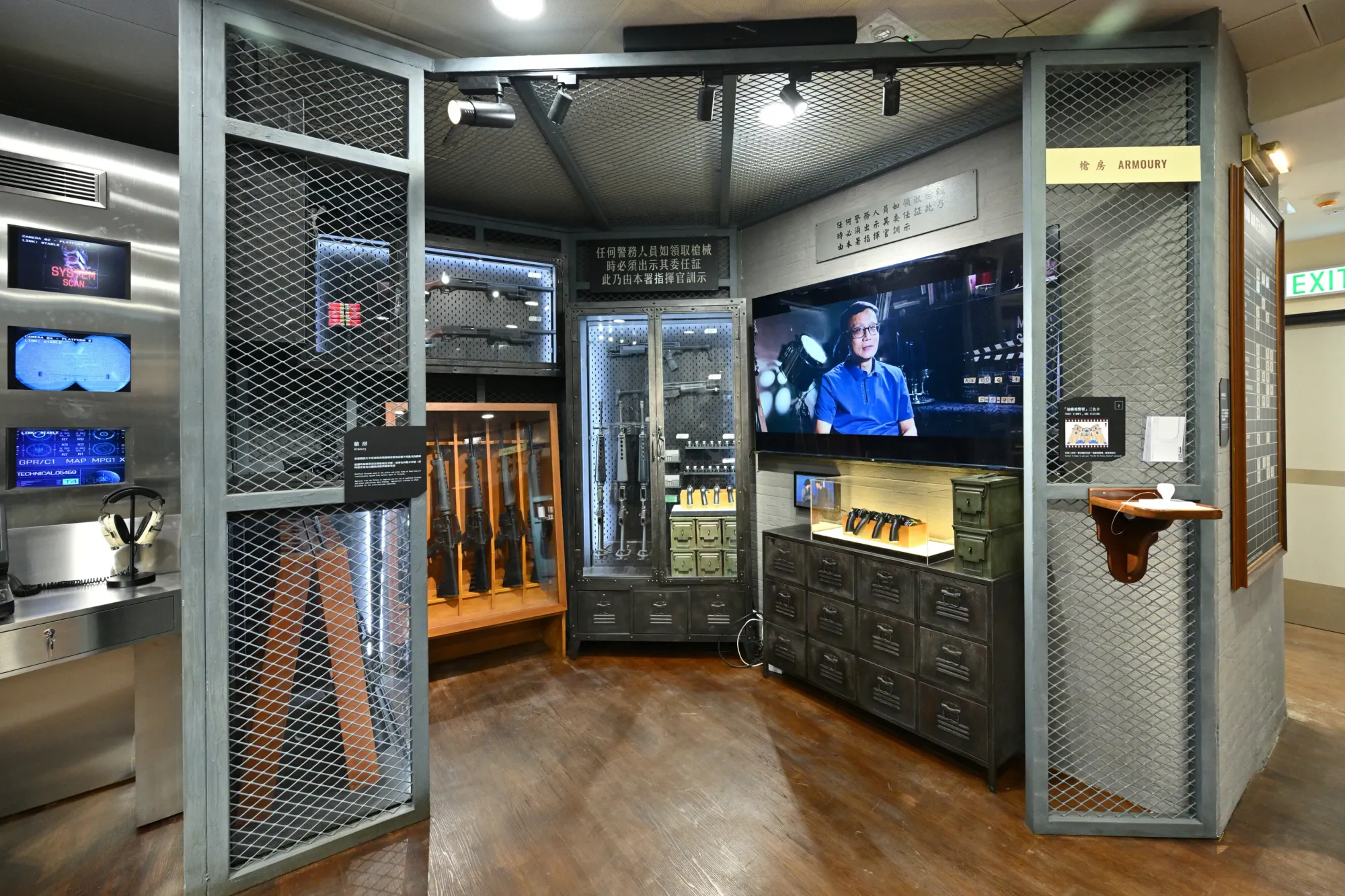
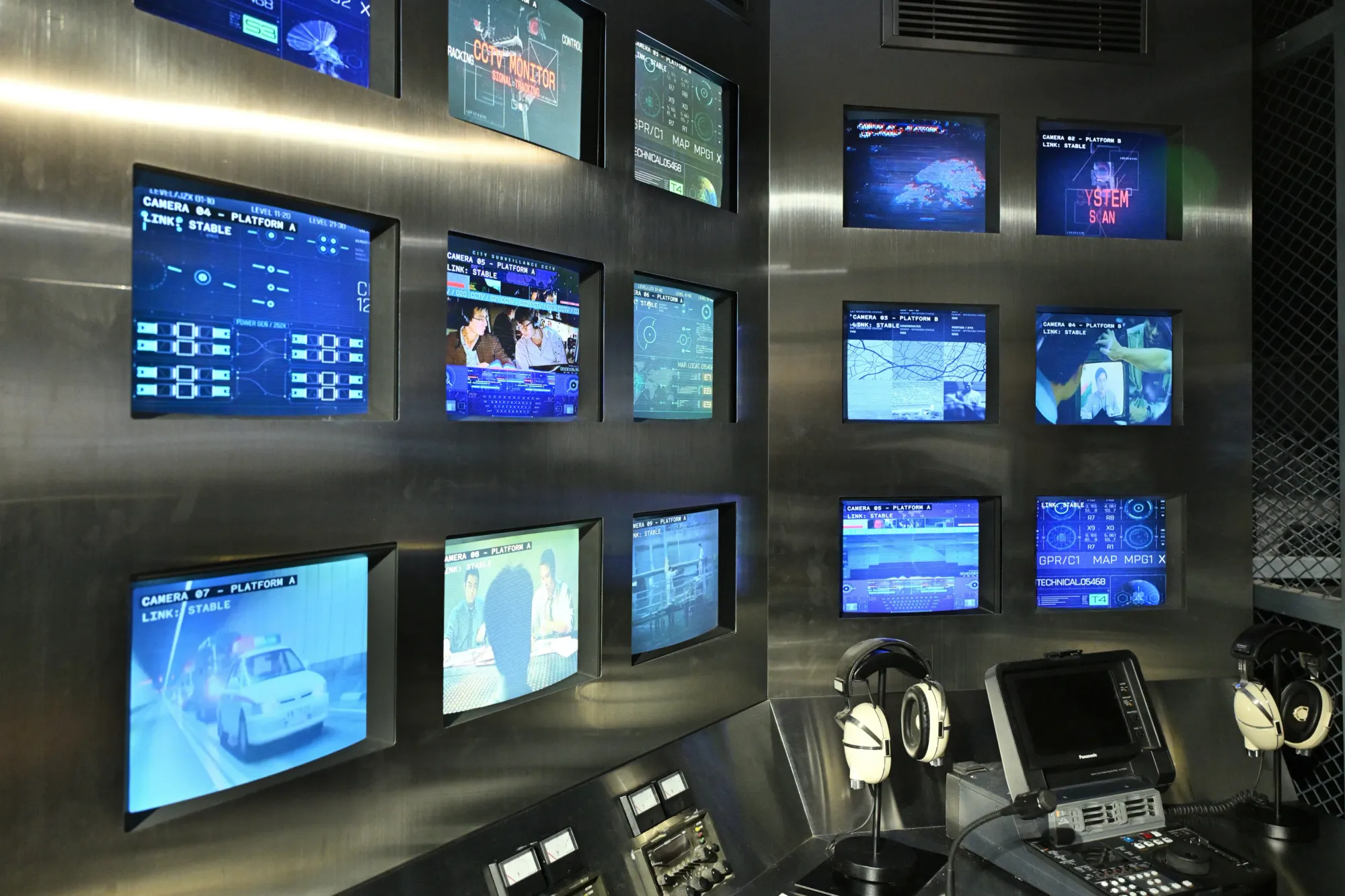
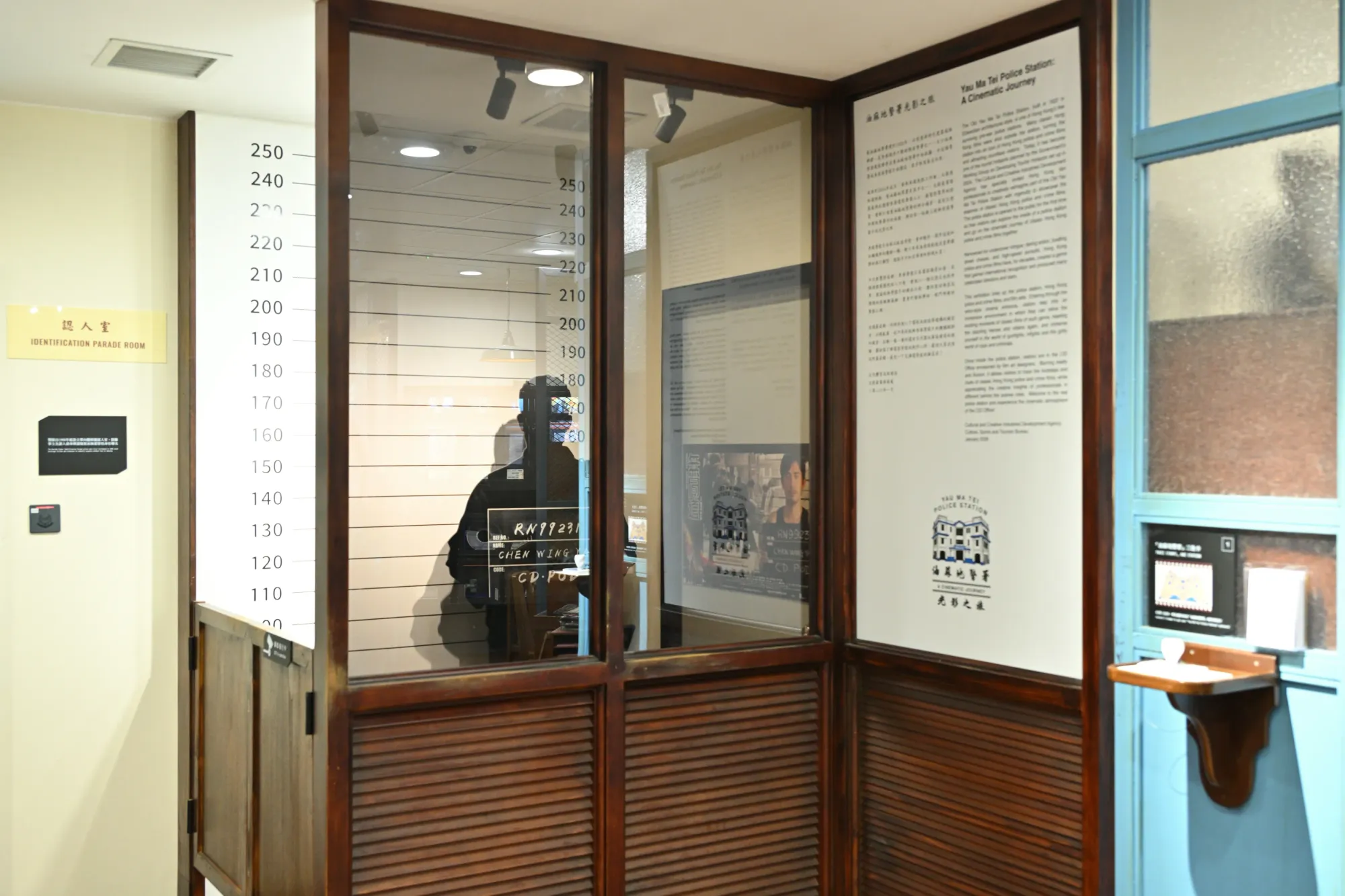
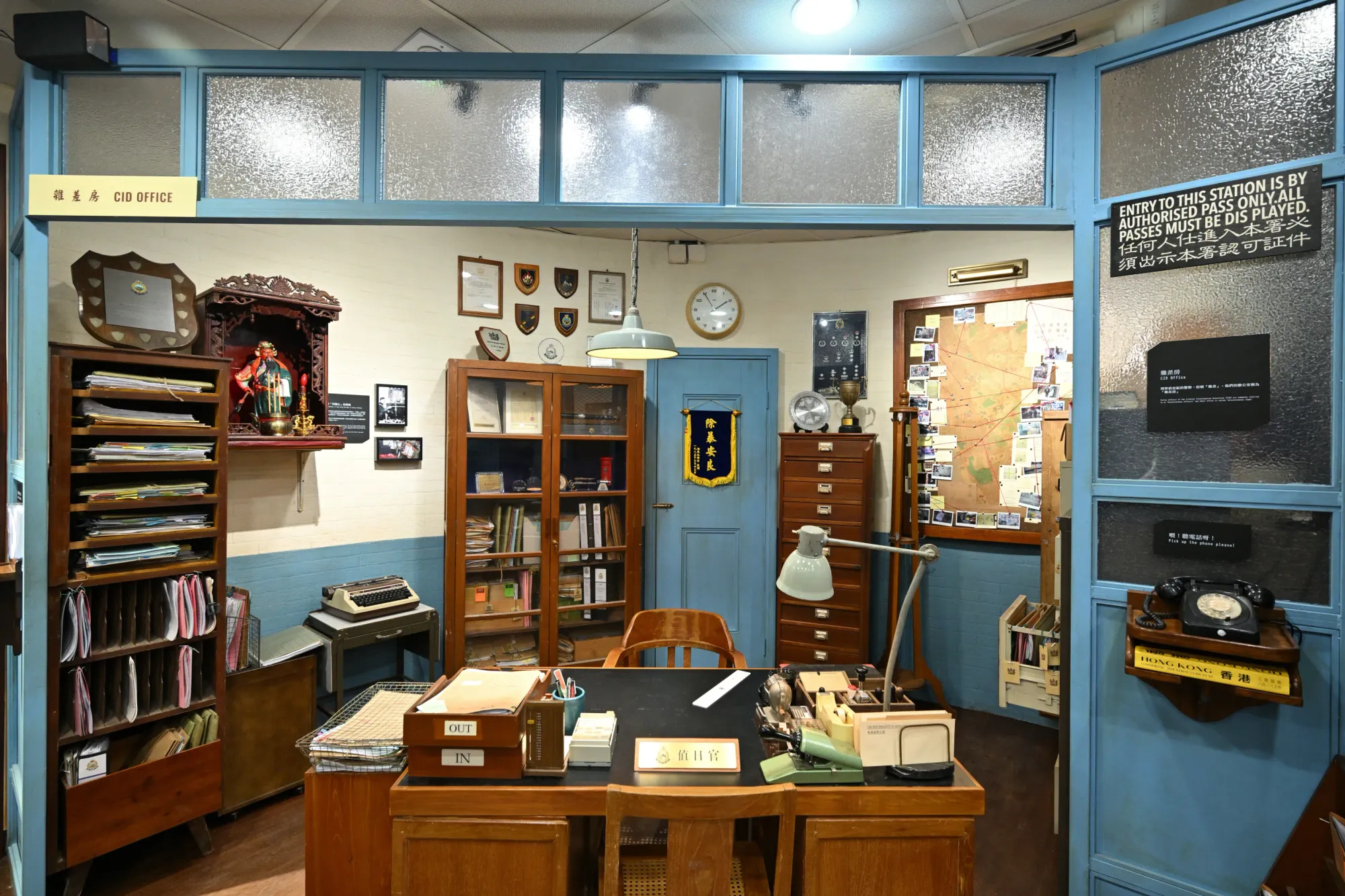
The reconstructed detective office — inspired by police stations of the 1970s and 1980s — forms the exhibition’s core. It is not a literal reconstruction but a composite space, drawing from multiple cinematic references. Desks, evidence boards, surveillance monitors, and armoury elements coexist, producing a sense of collective memory rather than historical accuracy.
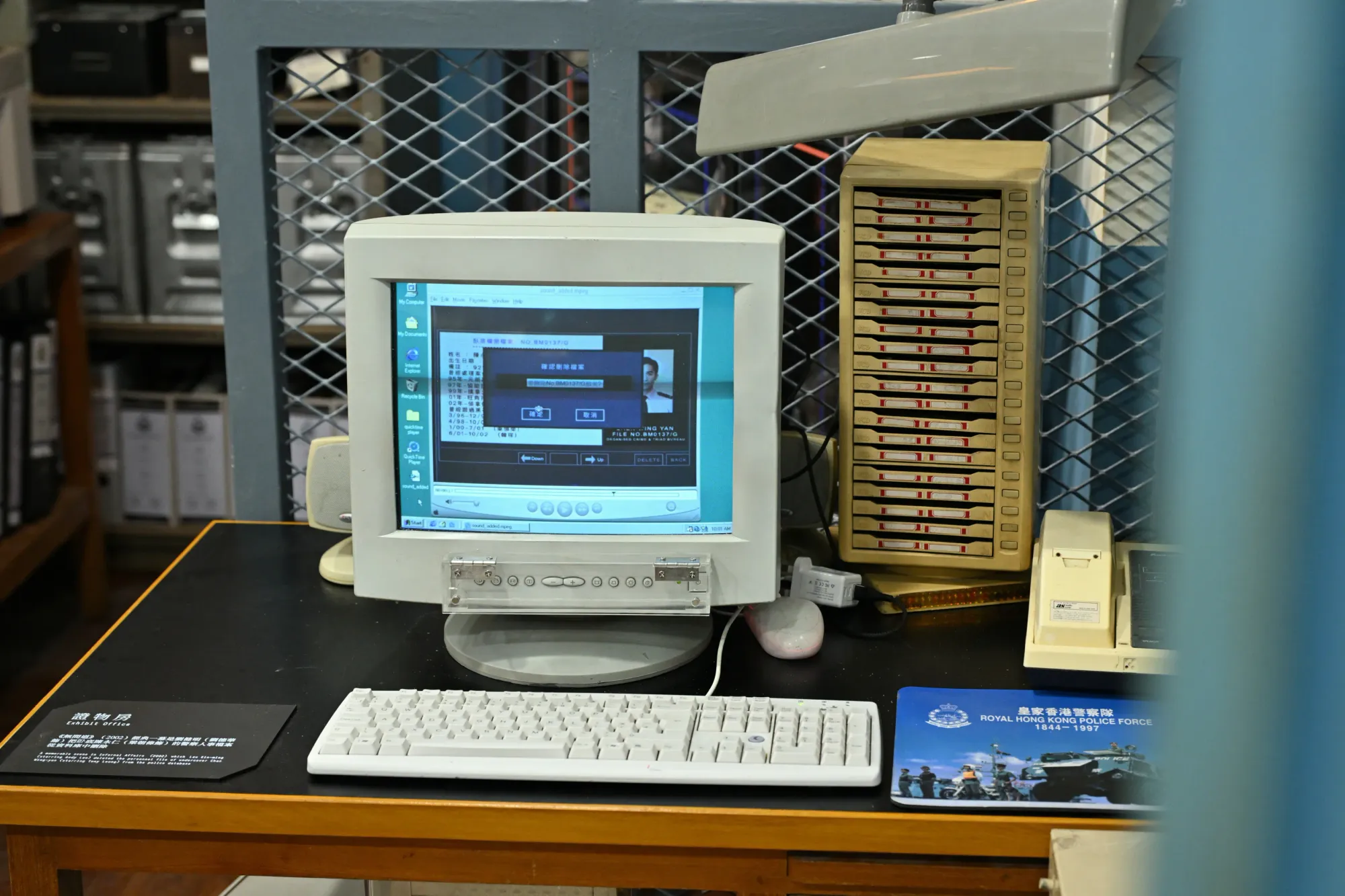
This approach reflects a broader curatorial philosophy: cinema is treated as a cultural lens, not a factual record. Props and recreated scenes from films such as Infernal Affairs function less as memorabilia than as interpretive tools, illustrating how cinema shapes public imagination of institutional space.
The opening of former detention cells adds a counterpoint to the stylised environments. Their rawness anchors the experience in material reality, reminding visitors that beneath cinematic representation lies a functioning urban institution with its own social history.
Importantly, the exhibition’s scale remains intentionally restrained. With each session lasting approximately 25 minutes, it resists becoming an immersive spectacle. Instead, it invites reflection — allowing visitors to situate the experience within the broader context of Yau Ma Tei, a neighbourhood defined by markets, street life, and layered histories.
For culturally minded travellers, particularly those interested in film, architecture, and urban studies, the Yau Ma Tei Police Station Cinematic Journey offers a nuanced alternative to conventional attractions. It is not designed to impress, but to contextualise — to reveal how cinema, space, and memory intersect in shaping Hong Kong’s identity.
The original article was in Hong Kong Cantonese. It was first seen on 5news.com.hk
 5News編輯部
Film, Memory, and Urban Space: A Cultural Visit to Yau Ma Tei Police Station
Comments ()